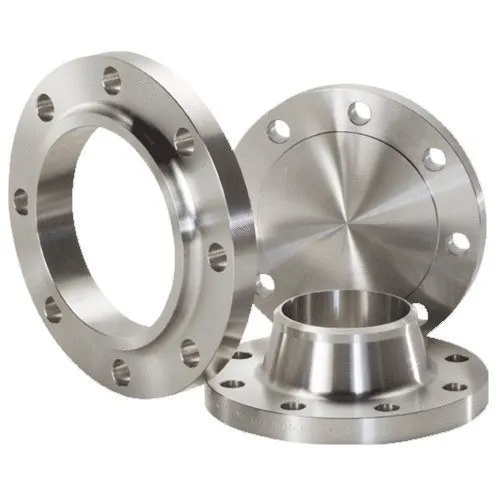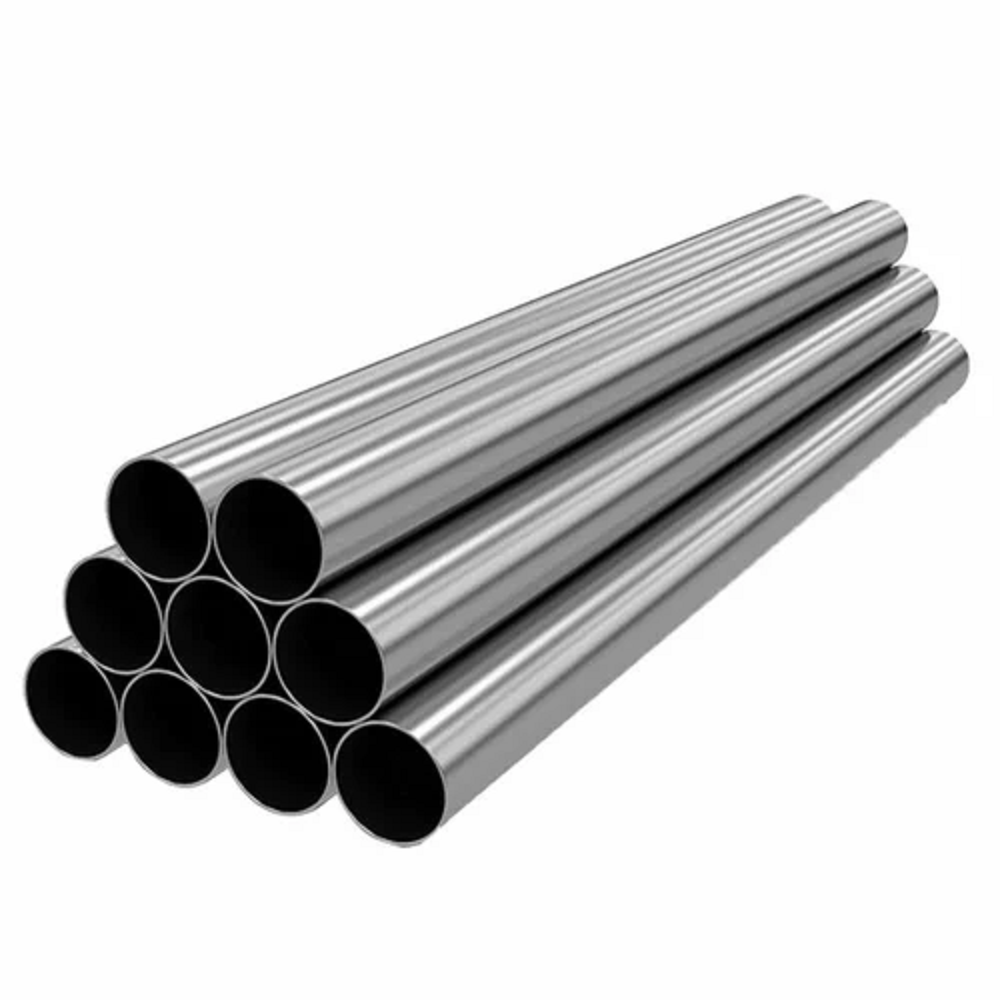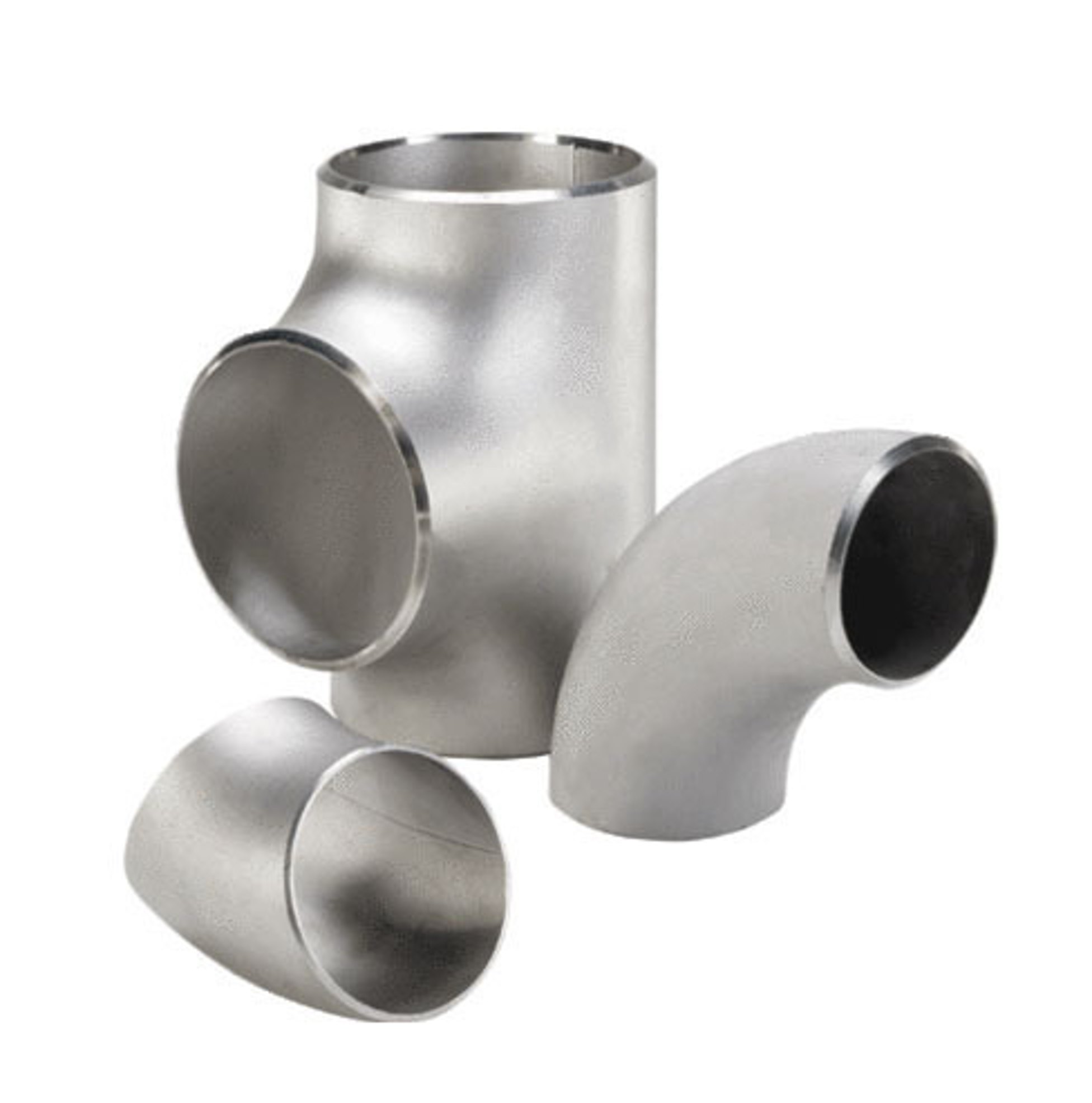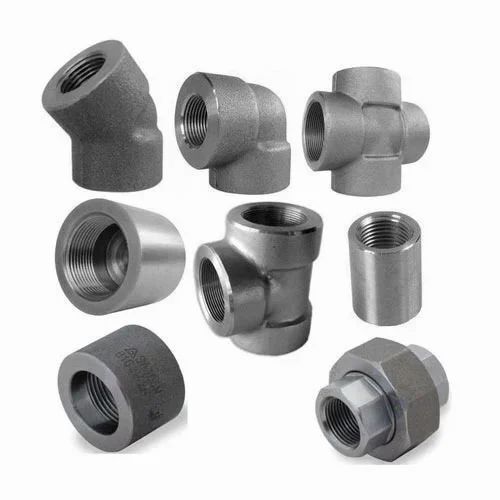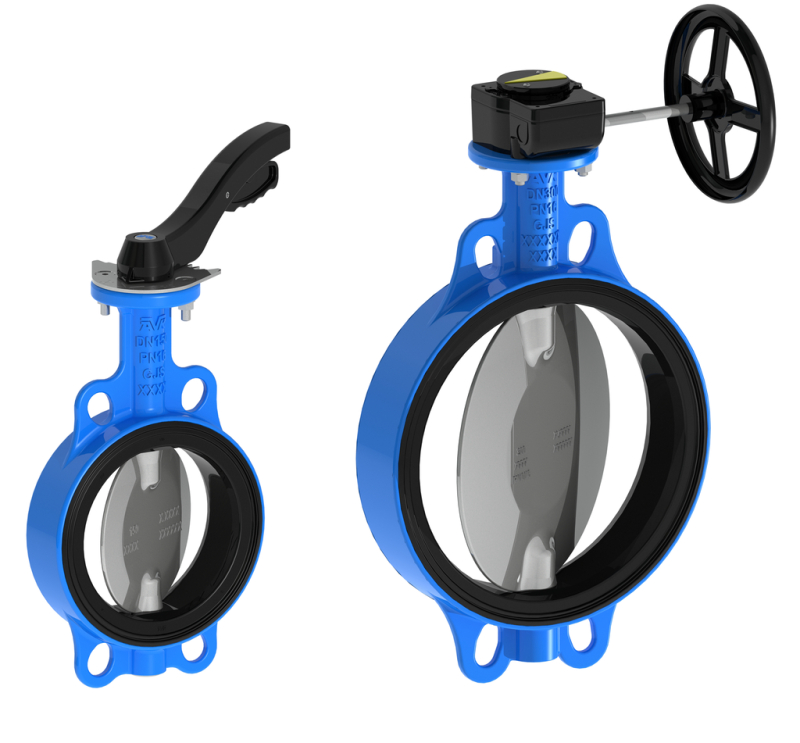
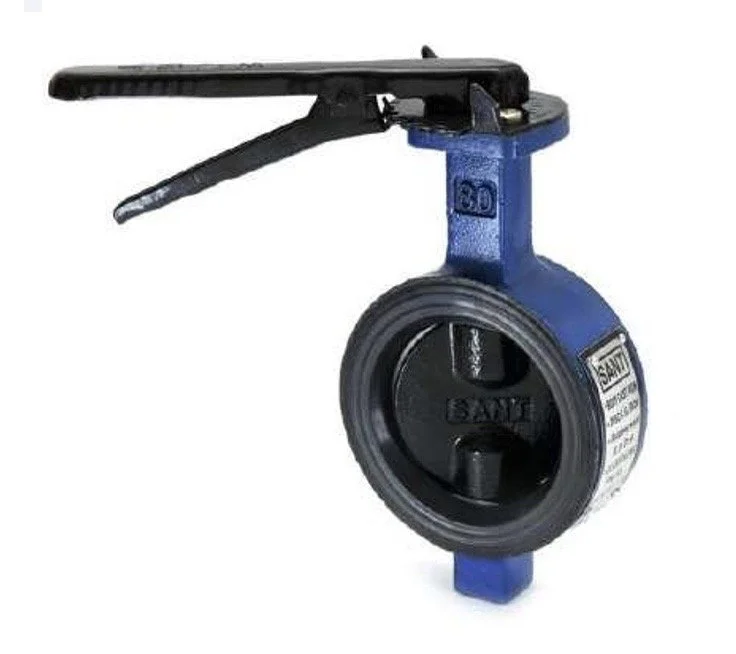
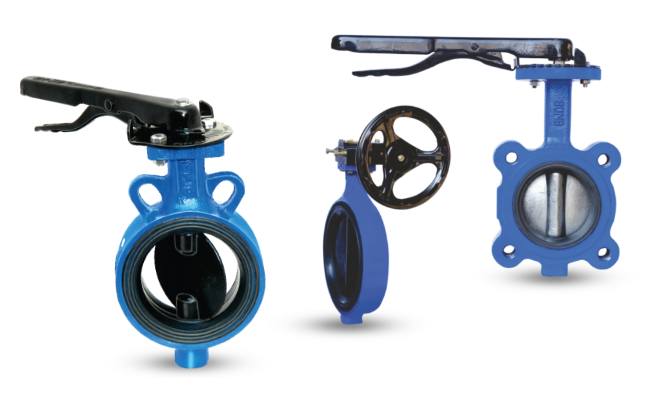
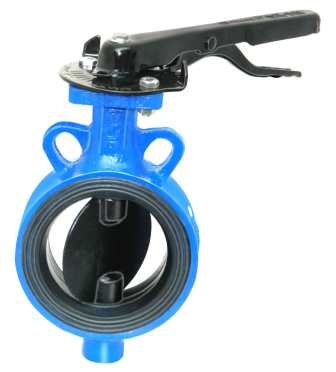
A butterfly valve is a compact and efficient flow control device used for isolating or regulating the movement of fluids and gases within a pipeline. The valve’s operation relies on a rotating disc positioned in the center of the pipe. When turned, the disc either aligns parallel to the flow for full passage or perpendicular for complete shutoff. Compared to ball valves, butterfly valves offer quicker operation, reduced cost, lighter construction, and minimal installation support requirements.
Although the disc remains in the flow path—causing a small pressure drop—these valves are favored in numerous industries, including oil and gas, petrochemicals, water treatment, and manufacturing, for their cost efficiency, ease of use, and reliability.
The wafer-type design is compact and cost-effective, installed between two flanges in the pipeline. It is ideal for low-pressure systems and general-purpose applications.
Lug-style valves include threaded inserts that allow bolting from both sides. This enables valve removal or maintenance without disturbing the entire pipeline—suitable for isolated system sections.
Designed with flanges on both ends, this model ensures easier installation and tighter sealing. It is well-suited for high-pressure or heavy-duty operations.
This advanced version incorporates three offsets within its design to achieve a metal-to-metal seal, delivering leak-free performance in high-temperature and high-pressure environments.
Butterfly valves require less space compared to other valve types. Their minimal design simplifies installation, reduces structural load, and lowers transport and handling costs.
The quarter-turn mechanism allows instant opening or closing, essential for systems that demand rapid flow control or emergency shutdowns.
With fewer components and simplified design, butterfly valves are more affordable to produce, install, and maintain—making them one of the most economical choices for industrial use.
Built to endure extreme temperatures, pressure variations, and corrosive environments, these valves experience minimal wear. Their long service life reduces downtime and operational costs.
Constructed from stainless steel, coated alloys, or elastomeric materials, butterfly valves resist corrosion and chemical degradation—ideal for marine, chemical, and water treatment sectors.
Modern triple-offset and flanged models handle high-pressure systems with precision, maintaining stability and integrity under demanding conditions. This reliability makes them indispensable in oil, gas, and power generation operations.
Butterfly valves offer a superior balance of performance, reliability, and affordability for fluid control applications. Their simple design, fast operation, and minimal maintenance requirements make them a preferred solution across industrial, commercial, and utility sectors seeking efficient flow regulation.
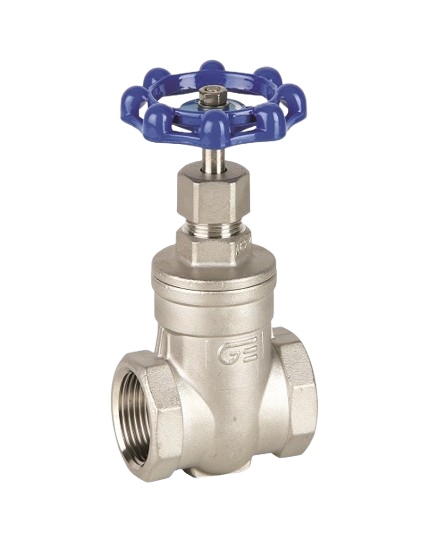
MetaForge Industries supplies premium-grade gate valves built to perform reliably in demanding industrial environments, including oil and gas, hydroelectric, and chemical processing sectors.
View Details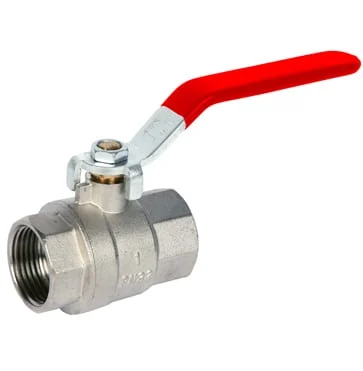
Ball valves are among the most widely used flow control devices in modern industry. Known for their precision, reliability, and long service life, they provide efficient control over both liquid and gas flow.
View Details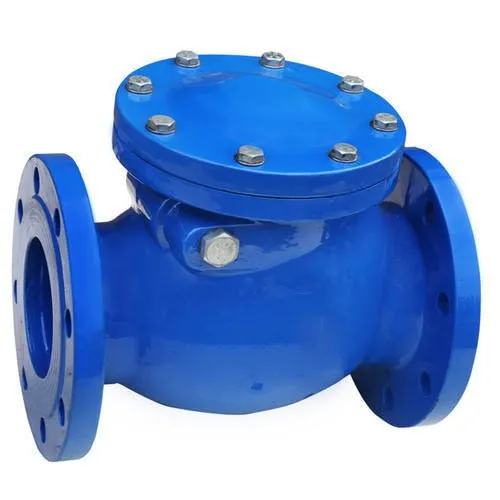
MetaForge Industries provides high-performance check valves engineered to ensure one-way fluid flow and prevent backflow in critical systems.
View Details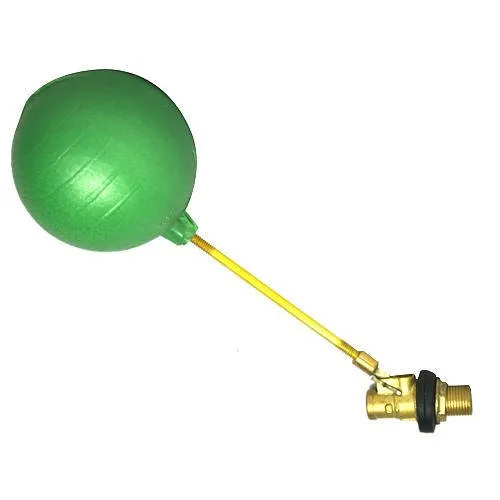
Engineered for durability and value, MetaForge Industries' Float Valves are built from high-grade, NSF-listed PVC, making them inherently non-corrosive and suitable for heavy-duty use.
View Details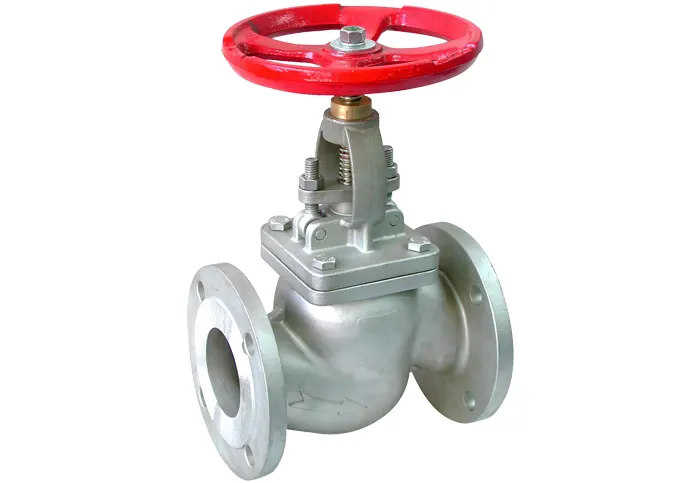
MetaForge Industries offers high-performance globe valves designed for accurate flow regulation in demanding pipeline systems.
View Details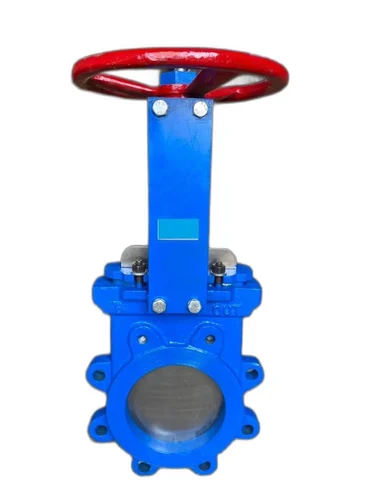
MetaForge Industries provides Knife Edge Gate Valves engineered to perform in high-demand and abrasive environments where reliability and durability are critical.
View Details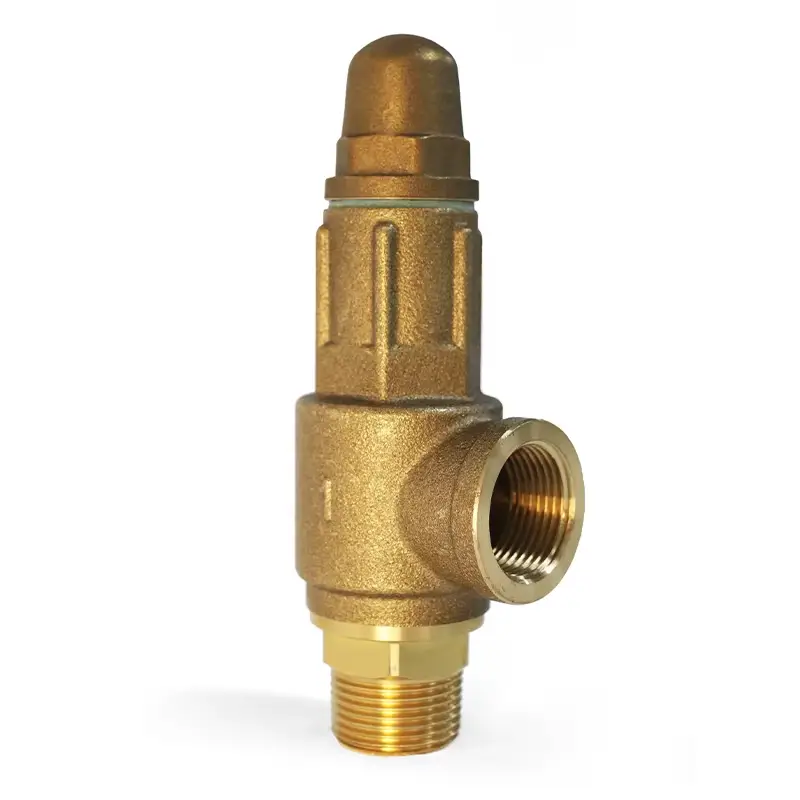
MetaForge Industries provides robust Safety Valves, engineered to function as a final line of defense in overpressure scenarios. Key features include
View Details
Trade, supply, and distribution of
industrial valves and fittings.